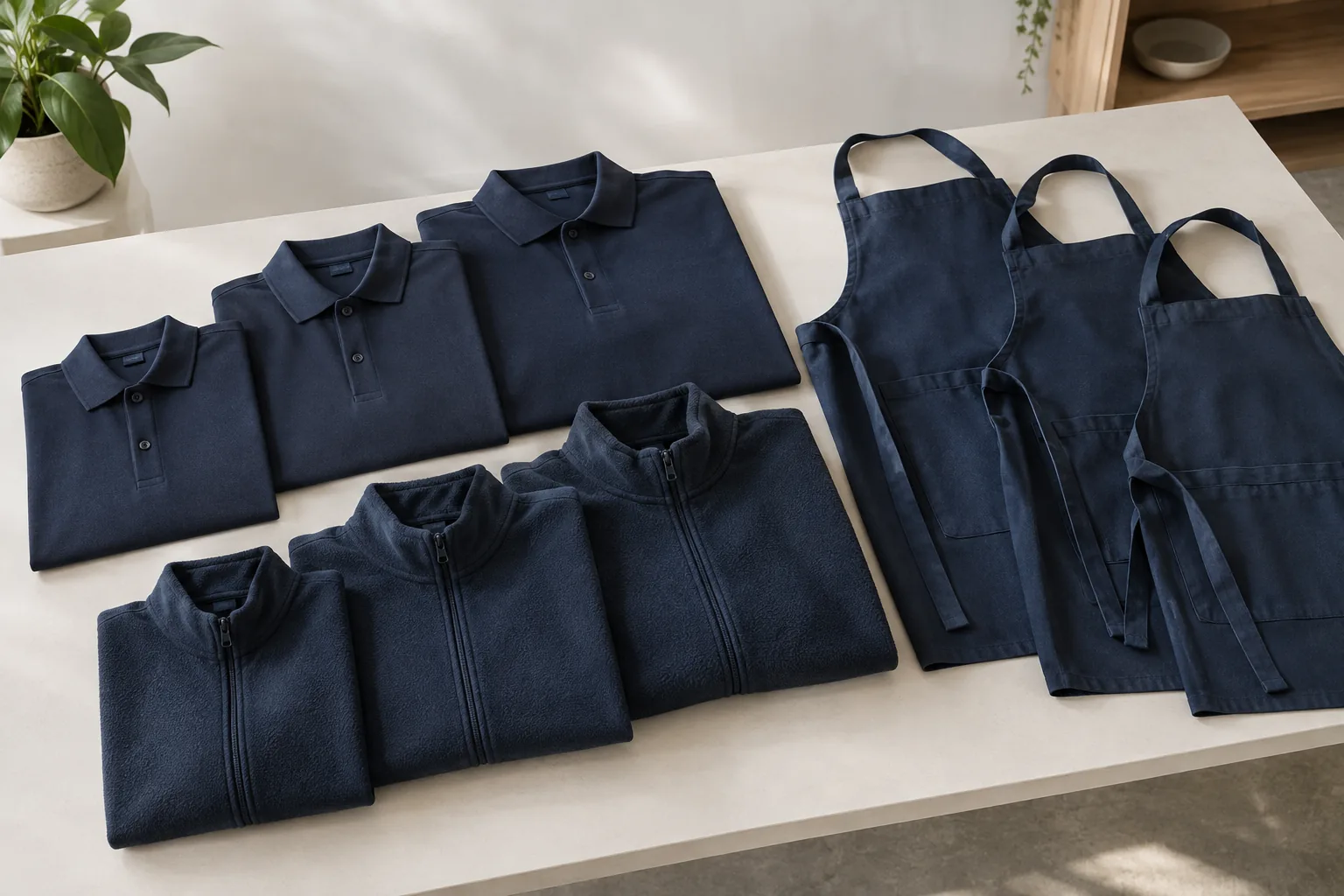
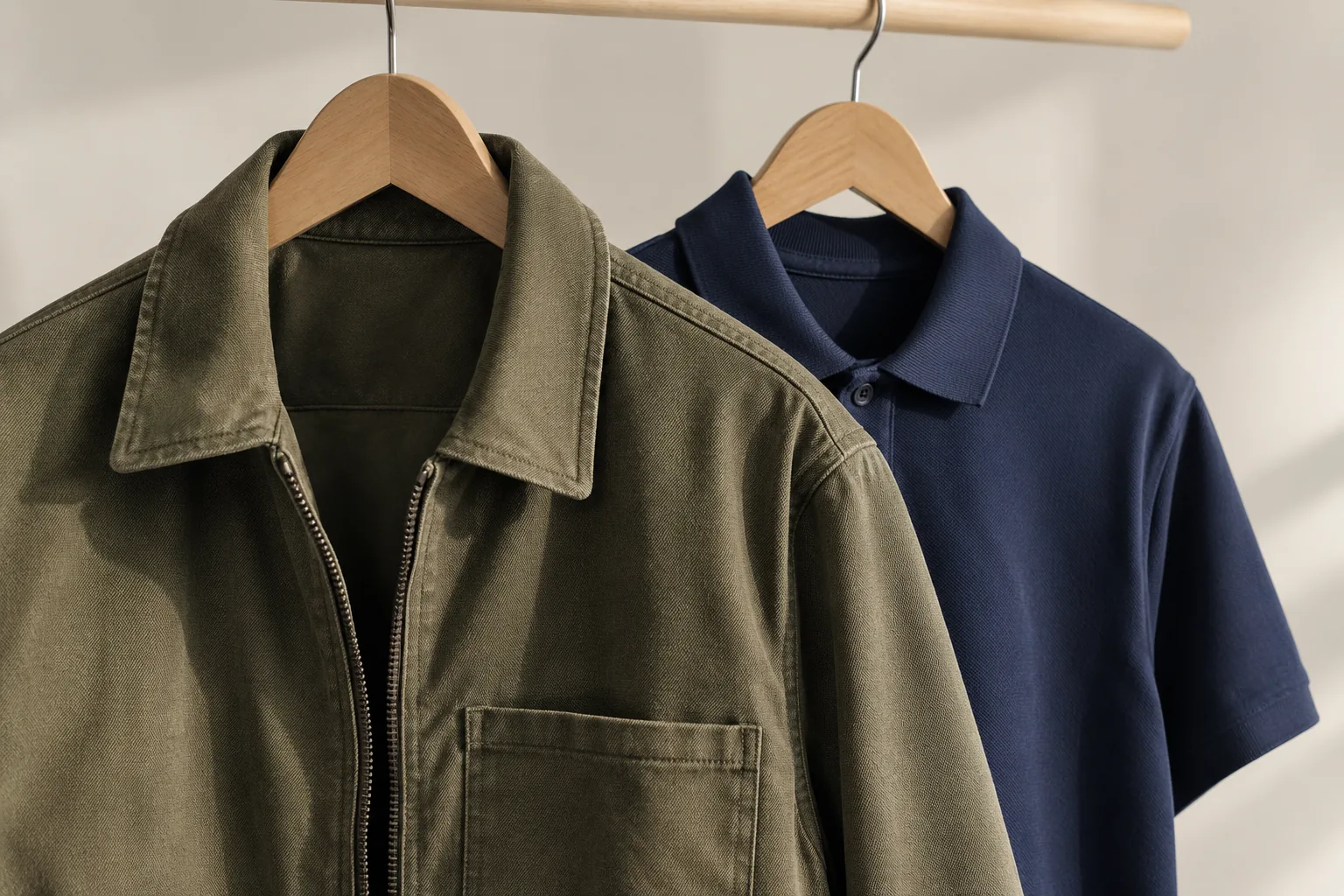
A uniform needs to look consistent and make sense during a real working day. Start with the people, tasks and environment, then build a coordinated range around them. One identical garment for every role can be less useful than a small, well-chosen set of styles with consistent branding.
Build the brief around jobs
List the roles that need clothing and describe a typical day for each. Note indoor and outdoor work, temperature changes, movement, customer contact, storage needs and the washing routine. Include any protective requirements identified by the person responsible for workplace safety.
Keep appearance and protection separate in the brief. A matching polo may establish the team identity, but it does not provide a particular safety function simply because it is sold as workwear. Where protection is required, specify the appropriate product requirements before deciding where a logo should go.
Choose a coordinated range
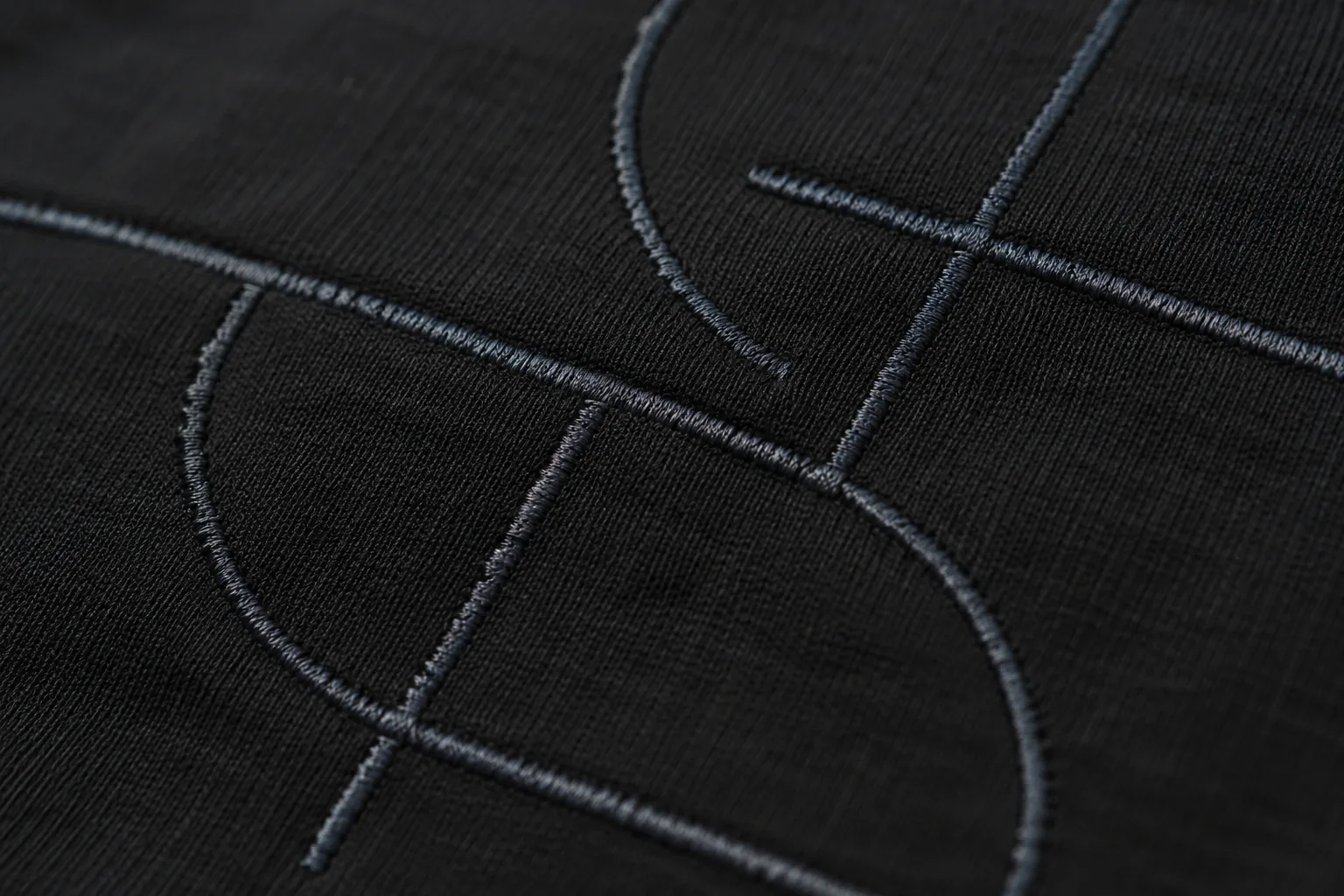
Create a consistent visual language using colour, logo treatment and placement. Within that system, select garments suitable for different tasks. Customer-facing staff may need a different layer combination from people making deliveries, while still looking part of the same business.
Check how outer layers affect the clothing underneath. If a jacket is worn for most of the day, a polo logo may rarely be seen. Conversely, a large design on a hoodie back can be partly obscured by the hood. Assess the full outfit as it will be worn, not just separate flat images.
| Role example | Questions for the clothing brief |
|---|---|
| Reception or customer service | Is the fit comfortable through a full shift? Which layers remain visible? |
| Warehouse or delivery | Does the clothing allow movement and suit changing temperatures? |
| Hospitality | Are the garments and decoration suitable for the actual laundry routine? |
| Outdoor work | What weather and protective requirements have been specified? |
Fit a team of individuals
Offer the relevant fit and style choices within the approved range. Do not assume that one cut will suit everyone, or that a person’s size will be consistent across a polo, sweatshirt and jacket. Share the actual charts and state whether the measurements relate to the body or the garment.
For a substantial rollout, consider fit samples and ask people to check reaching, sitting and normal work movements with their usual layers. Record the garment and size chosen, rather than simply recording a person as “medium”. This also makes later replacements more accurate.
Calculate quantities from use
Start with the number of changes each person needs between washing opportunities. A five-day role, a part-time role and a role with frequent garment changes may require different allocations. Add deliberate spare stock for replacements or starters, and keep that stock separate from named garments.
For example, eight people receiving three polos each need twenty-four polos. If you decide to hold four plain spare polos, the total becomes twenty-eight. Those spare sizes should be chosen intentionally; ordering one of every size without considering the team can create stock that never gets used.
Make repeat orders straightforward
Keep a record of the garment reference, colour, approved artwork, finish and position. Check current availability and prices when reordering. If a garment is discontinued or unavailable, assess a proposed substitute for fit, colour, construction and branding suitability rather than treating a similar name as an exact replacement.
A Company Store can provide an approved range and a defined ordering route for a recurring uniform programme. Agree who manages the range, who can order and how organisational requirements are handled. Before launch, test the member journey and the information the administrator needs.
- Match garments to roles and actual working conditions.
- Check fit choices, size charts and layers.
- Confirm protective and laundry requirements early.
- Record individual allocations and spare stock separately.
- Retain the specification for replacements and Company Store setup.
Your next step
Use the workwear guide to prepare a role-by-role brief. Bring the team a list of requirements, rather than only a preferred polo or jacket.
Choose workwear for the jobNeed a little more help?
Continue with the Guide or go straight to the team.