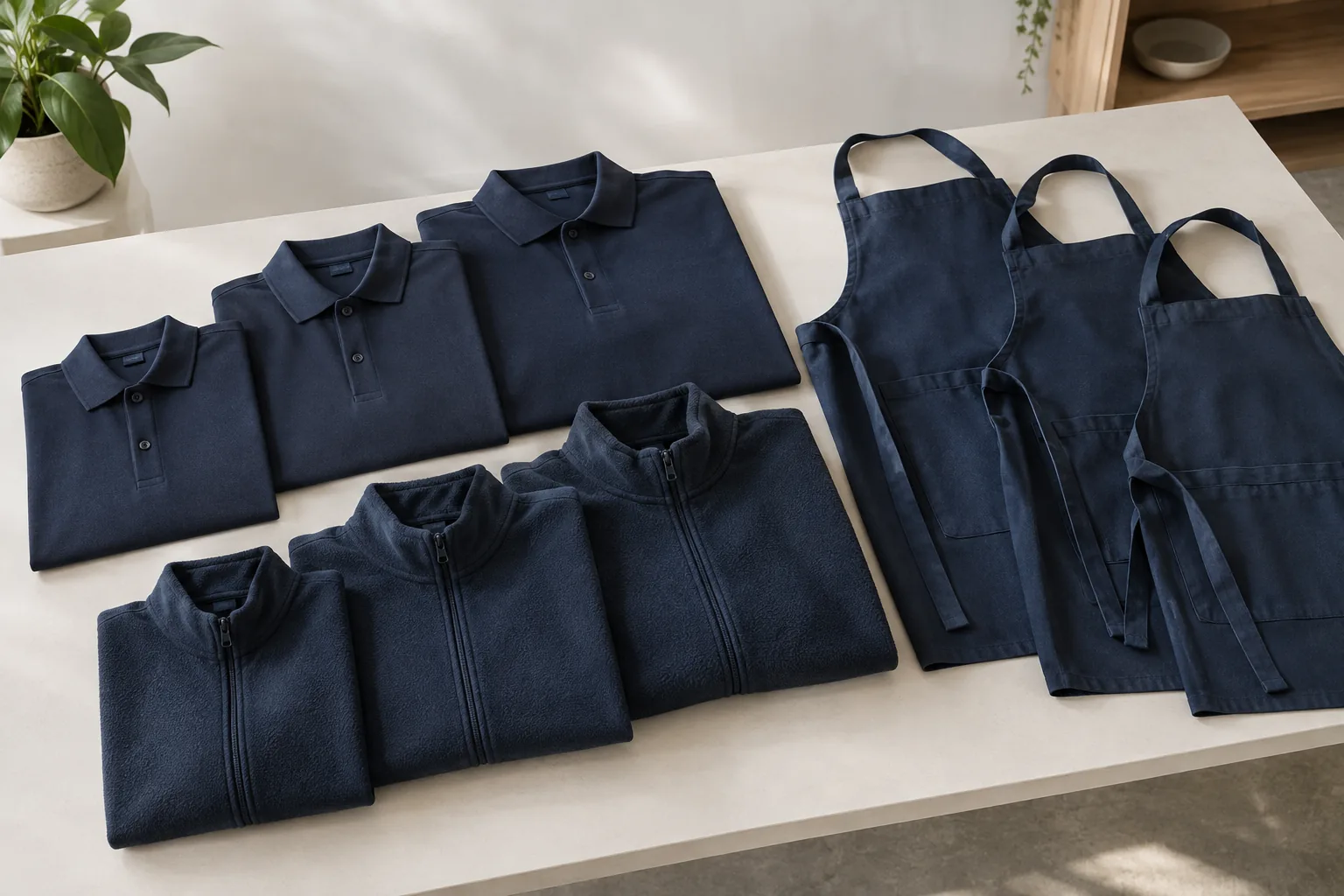
Consistent uniform does not require everyone to wear the same cut. A good range gives people suitable choices while keeping colours, branding and the overall appearance coordinated. The practical task is to match each person to the right garment and record that choice accurately.
Separate a size label from a measurement
Letter sizes are not interchangeable between every brand and style. A medium polo and a medium sweatshirt may have different dimensions and intended fits. Start with the chart for the exact product, including the selected fit where more than one is offered.
Check whether the chart describes body measurements or measurements taken from the garment itself. A flat chest width is not a full body chest measurement. Doubling a flat width can help explain a garment’s circumference, but it does not automatically tell you the body measurement it is intended to fit; the cut includes its own allowance for comfort and movement.
Measure something that fits for the intended job
If the chart uses garment measurements, compare it with an appropriate item laid flat without stretching. Use the same measuring points: across the chest, body length and any relevant sleeve measurement. Compare a work polo with a work polo rather than using a very stretchy or oversized leisure garment as your only reference.
If the chart uses body measurements, follow its measuring instructions. Consider normal base layers and the movement the job requires. Keep measurements private where possible; the order organiser normally needs the chosen product and size, not a record of everyone’s body dimensions.
A worked example: the same width, different fit
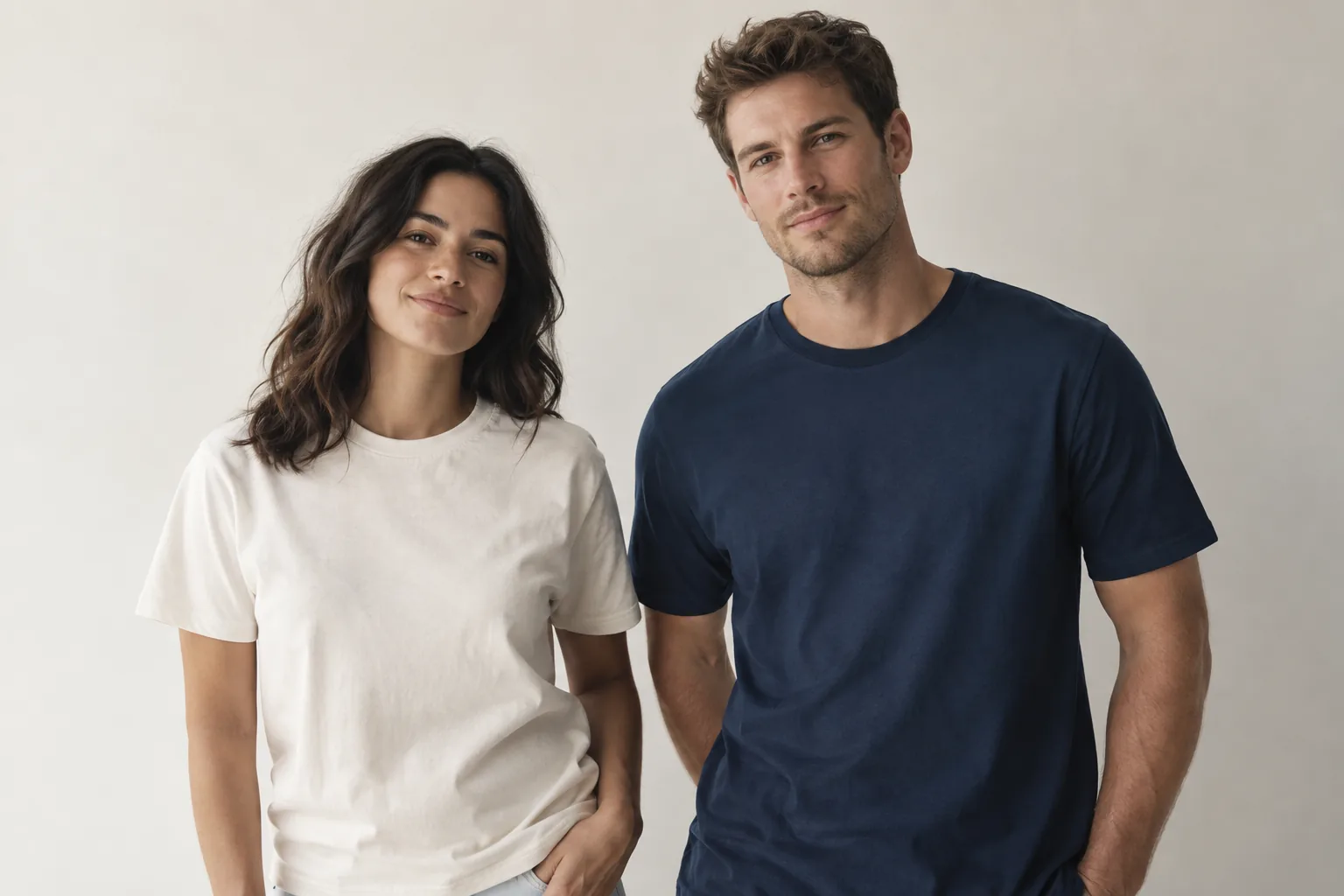
Two T-shirts may have a similar chest width but different body lengths, sleeve shapes or shoulder positions. One could suit a relaxed retail look while the other is more appropriate to your uniform brief. Looking only at the chest measurement can hide those differences.
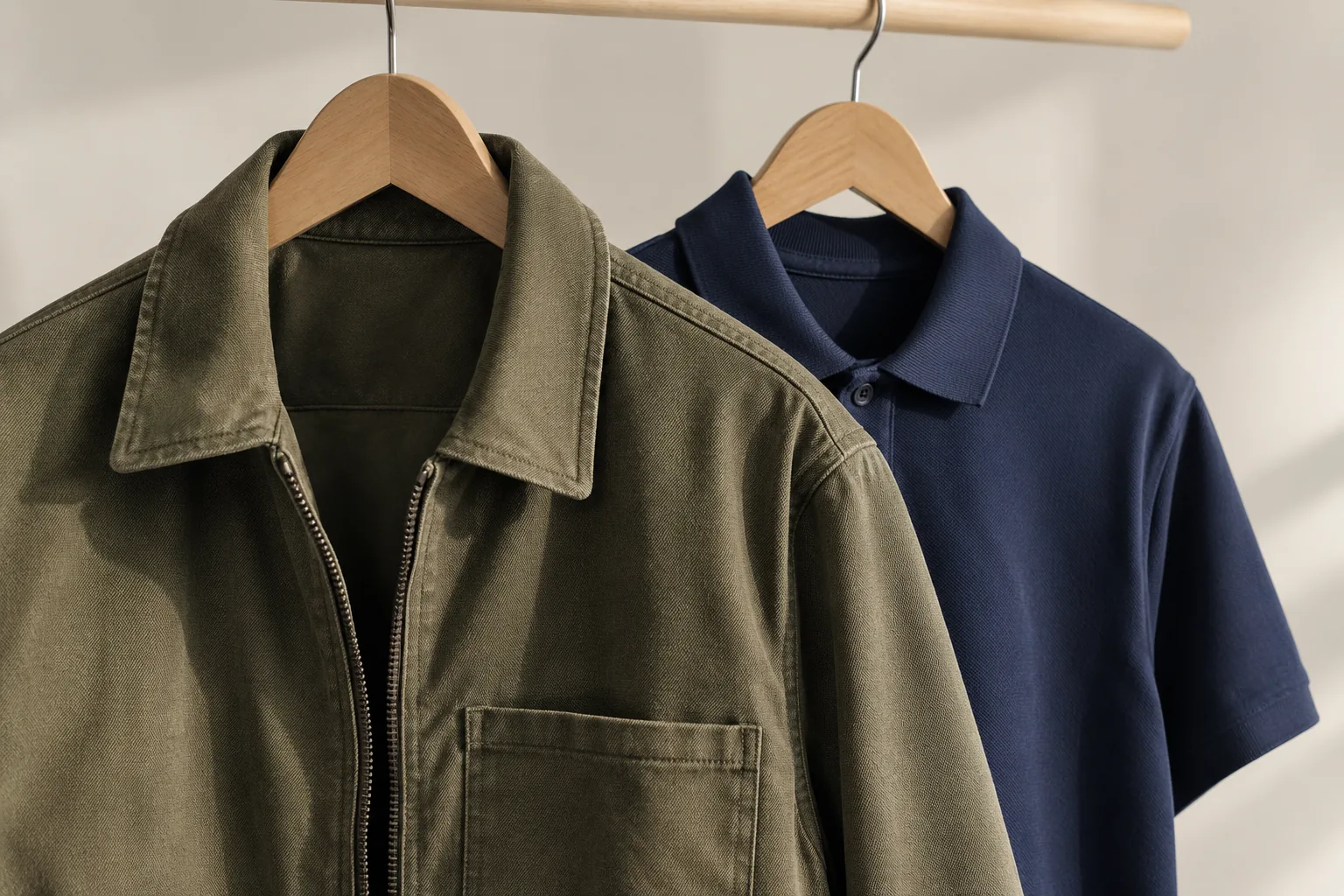
For a team member moving between a polo and a jacket, check each chart separately and consider what will be worn underneath the jacket. Do not size the jacket from the polo’s letter alone. Record “polo reference / size” and “jacket reference / size” as separate choices.
Offer choices within a coherent range
Choose complementary styles where fit options are needed, and compare their actual colours and branding positions. Two garments both called navy may not be identical shades. If a close visual match is essential, inspect samples and ask about the available coordinating range.
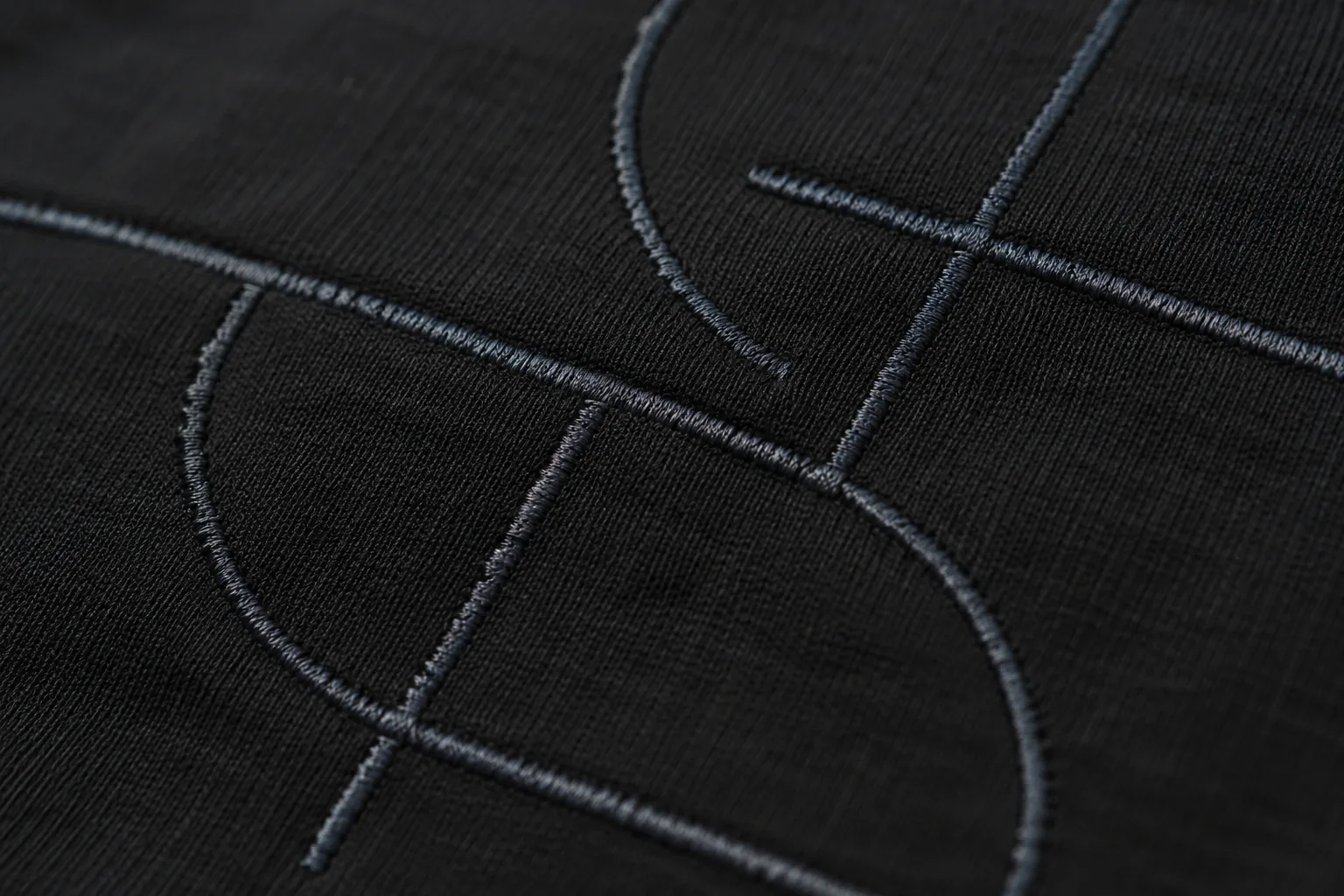
Consider how the same logo looks on different cuts. Seams, pockets and proportions can change usable space. Check the smallest relevant garment and any alternative fit before committing to one artwork size across the order. A coordinated result may require an agreed adjustment, not an improvised change during production.
Use samples before the expensive decision
A plain sample can resolve uncertainty about fit and fabric. A decorated sample adds a check of the branding. Both are paid options under the current sample guidance; do not assume a sample is free or automatically returnable on the same terms as every other purchase.
Correctly made personalised clothing ordered in the wrong size does not have a standard goodwill replacement offer. Check the current returns guide before confirming the selection. For a larger team, a planned sample stage can be more useful than trying to correct several individual guesses after decoration.
- Share the correct product chart and its units.
- Make clear whether measurements describe the body or garment.
- Check every garment type separately.
- Offer suitable fits without making assumptions about the wearer.
- Record the chosen reference and size, then approve the full allocation.
Your next step
Use the sizing guide and team worksheet to record actual garment choices. Aim for a consistent uniform identity with a fit that works for each person.
Open sizing and sample guidancePut this guide to work
Use these planning documents to prepare your details. They do not submit an order or create a store.
Team size and quantity worksheet (CSV)Need a little more help?
Continue with the Guide or go straight to the team.