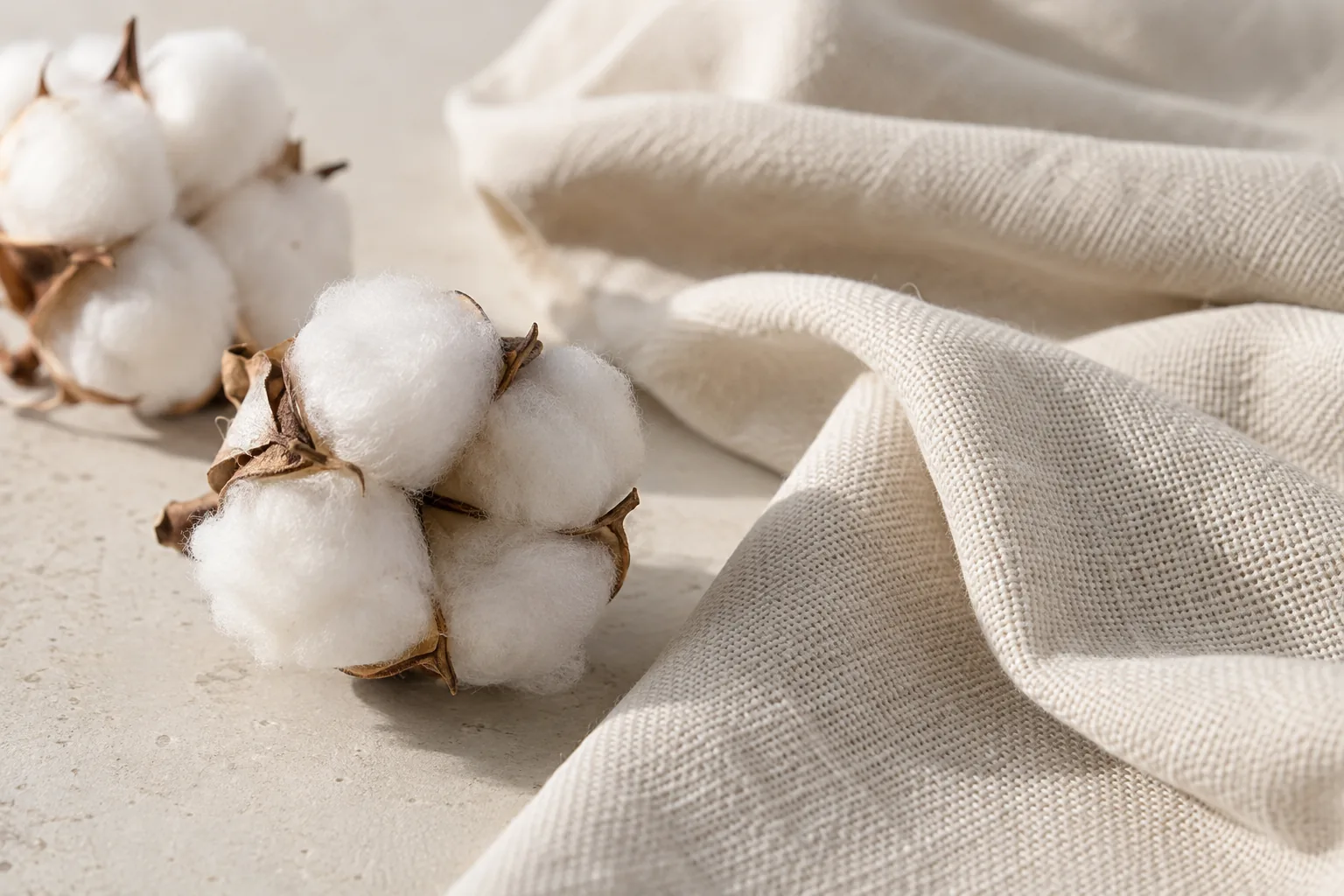
A label or certificate can answer a specific question about clothing. It does not answer every question about how the product was made or whether the finished decorated item meets your brief. Before relying on a claim, identify what it covers, which product it applies to and what evidence supports the wording you intend to use.
Separate different kinds of claim
Fibre composition, organic content, recycled content, testing for harmful substances and production-site conditions describe different things. Do not use one as shorthand for another. A product claim may relate to the whole article or only a component, and a supplier-level statement may not establish the same claim for every product.
For example, saying that a garment contains a stated proportion of a particular fibre is a more specific statement than calling it “eco-friendly”. The broader wording can imply benefits that the available evidence does not establish. Ask what a customer is likely to understand from the words, not only what the writer intended.
| Claim type | Question to ask |
|---|---|
| Fibre or recycled content | What percentage, and which component or product does it describe? |
| Harmful-substance testing | Which standard, product scope and valid label details support it? |
| Organic material | What evidence establishes the material and relevant chain of custody? |
| A broad environmental benefit | What evidence supports the full impression created by the wording? |
Read STANDARD 100 for what it covers
OEKO-TEX STANDARD 100 concerns testing textiles for harmful substances. That is a specific form of evidence; it does not automatically establish that a garment is organic, recycled, carbon-neutral or suitable for every protective use.
Check the relevant label or certificate details and the article covered. If you need evidence for a tender or a customer product listing, keep the document with the exact garment reference. A general logo on a supplier website is not a substitute for checking the scope of the claim you want to make.
Check the finished decorated product
The blank garment and the final decorated item are not always the same scope of assessment. Adding a print, embroidery, label or other component does not automatically extend every claim made about the blank to the finished item.
Before publishing a statement, ask whether the available evidence covers the garment only, the added components or the complete finished product. If it covers only the blank, describe that accurately. Do not imply that Colour Apparel holds a particular certification or that a decorated product is certified without the relevant confirmation.
A worked example: a customer asks for a sustainable uniform
Turn the broad request into specific requirements. Does the customer need a stated recycled content, a particular certified material, testing for harmful substances, documentary evidence for procurement or something else? Ask which requirements are essential and how they will be assessed.
Then match those requirements to exact products and supporting documents. If one garment meets the material requirement but the proposed wording goes further than the evidence, change the wording or seek additional evidence. A stronger claim is not an improvement if it cannot be supported.
Build a useful evidence file
Keep the product reference, colourway where relevant, supplier specification, supporting certificate or label information and the wording you plan to use. Record any limitations that affect the claim. If the product changes, recheck the evidence rather than carrying the wording forward automatically.
The CMA’s green-claims guidance is a useful starting point for businesses describing environmental attributes. For a specific tender or regulated requirement, provide the exact wording and documentation requirements to the team before choosing the clothing. Product selection is easier when the evidence requirement is part of the original brief.
- Identify the precise claim and product scope.
- Check current supporting evidence and label details.
- Separate blank-garment claims from finished-product claims.
- Avoid broad wording that overstates the evidence.
- Recheck the claim when the product or decoration changes.
Your next step
Send the required claim or procurement wording with your clothing brief. Ask what evidence is available for the exact product before making the statement to your own customer.
Read clothing claims guidanceSources and further reading
Product guidance is specific to the supplier or process. Colour Apparel service details are confirmed in the linked Help guides.
Need a little more help?
Continue with the Guide or go straight to the team.