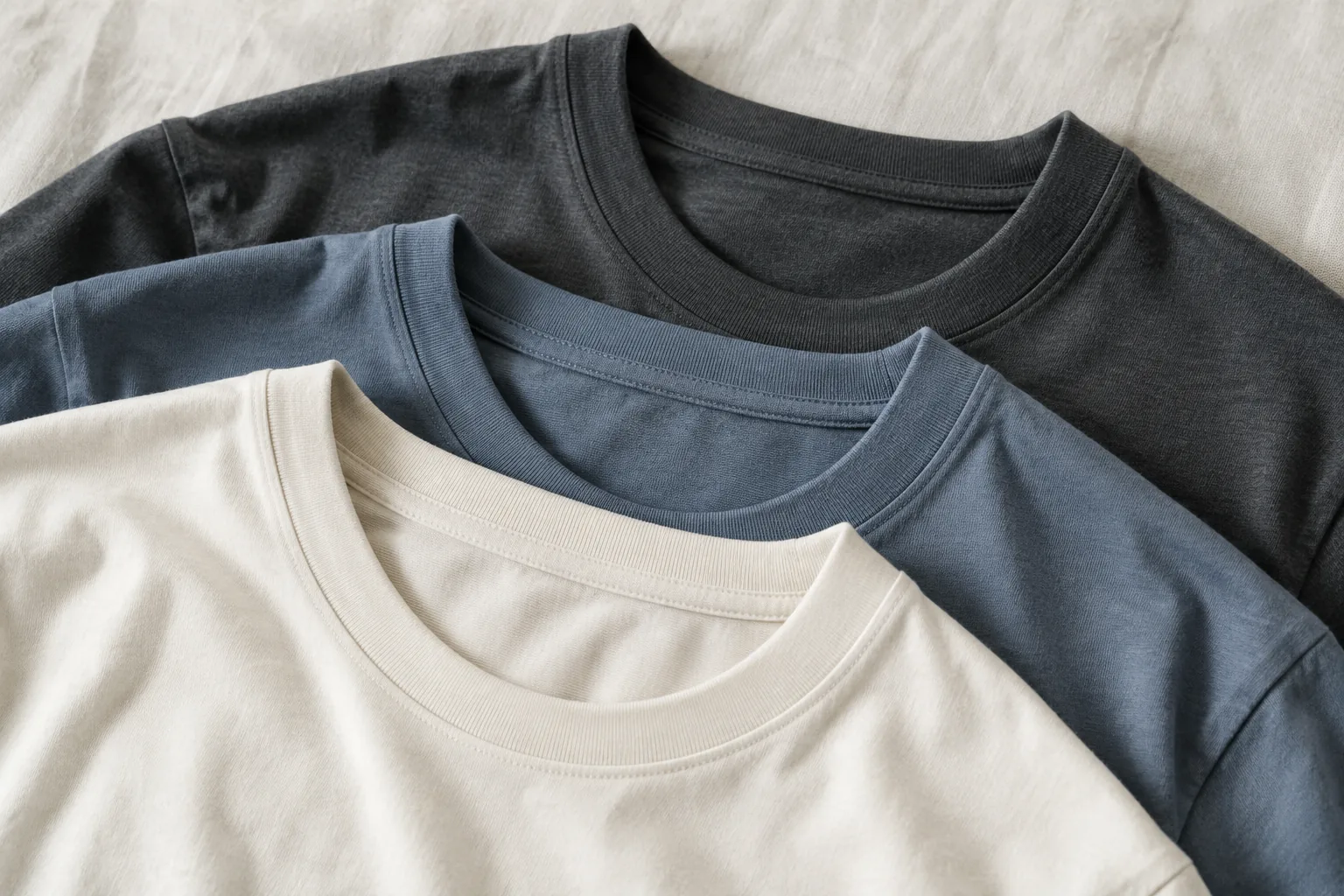
The right care routine depends on the finished garment: fabric, construction and decoration together. A general internet rule cannot establish the correct wash temperature for every printed T-shirt, embroidered polo or work jacket. Start with the supplied instructions, then build a routine that protects both the clothing and the branding.
Read the garment and decoration instructions together
Find the sewn-in care label and any separate care information supplied with the decorated item. The blank garment may tolerate a treatment that is unsuitable for its decoration. Where the finished item comes with a more restrictive decoration instruction, account for that restriction as well.
If the instructions appear inconsistent, ask before washing. Send the order reference, garment reference and a clear label photograph. Do not resolve uncertainty by choosing the hottest wash or strongest stain treatment. The team needs to identify the actual item to give useful advice.
Prepare a mixed uniform load properly
Check each garment type rather than assuming that everything supplied in the same order has identical care requirements. A polo, fleece and waterproof outer layer can require different handling. Separate items where the instructions demand different washing or drying treatments.
Empty pockets and fasten zips or other rough closures that could catch neighbouring items. Turn decorated clothing inside out where its instructions allow. Group compatible colours and avoid overloading the drum, so clothes have room to move and rinse. Measure the detergent for the load and water conditions rather than adding extra.
For many everyday decorated garments, a gentle wash with mild detergent and air drying is a useful starting point to discuss with your supplier. Printful, for example, recommends cold, inside-out washing for its printed clothing and embroidered items, and advises against fabric softener for its printed products. Those are process-specific instructions: use the confirmed temperature and drying method for your Colour Apparel item, especially for performance fabric, waterproof clothing or specialist workwear.
Drying and ironing are part of the care decision
Check drying instructions as carefully as washing instructions. A garment can come through a wash correctly and still be damaged by an unsuitable drying treatment. Avoid assuming that every item which can be washed can also be tumble dried.
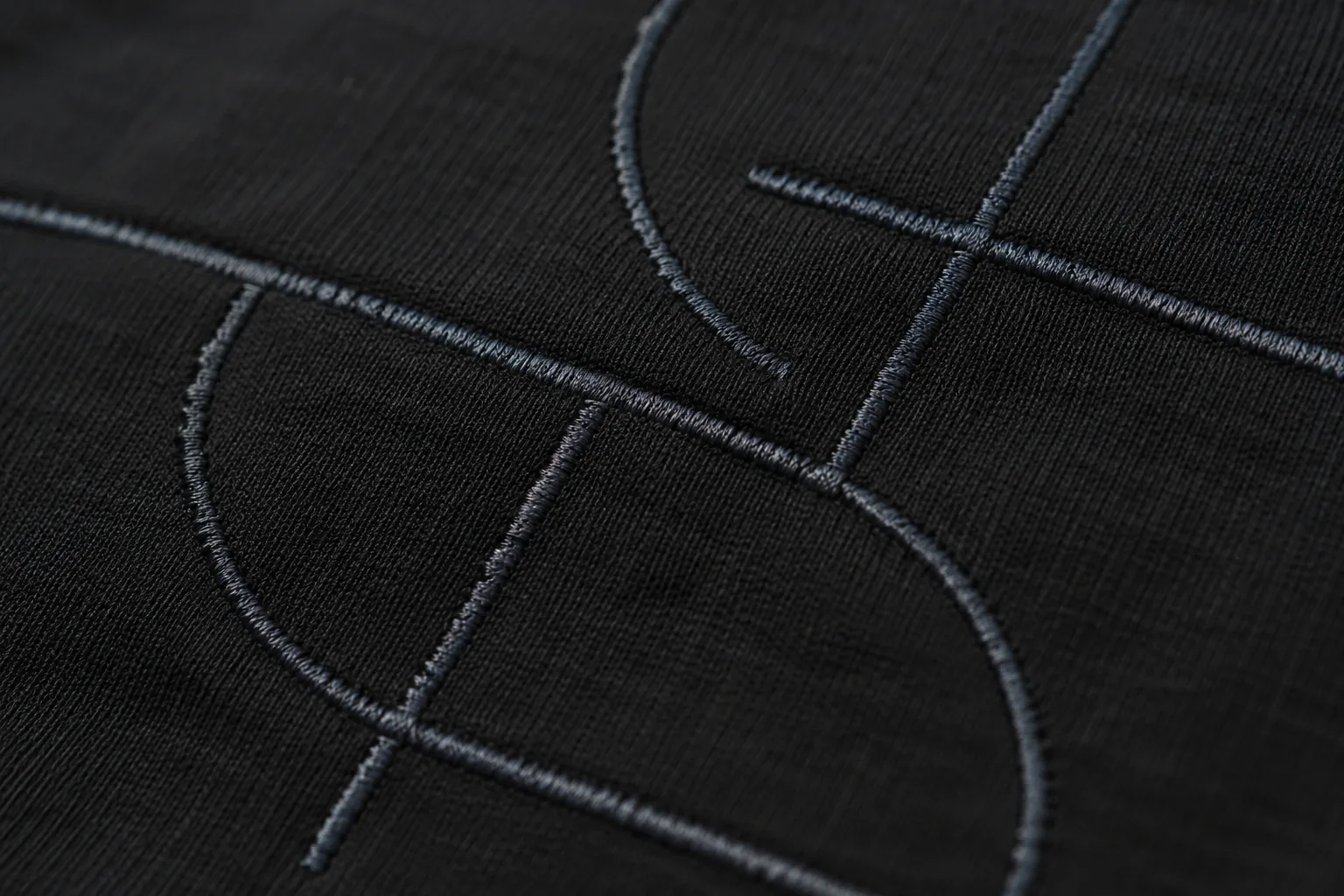
Before ironing, check how the decorated area should be treated. Do not put an iron directly onto a printed design unless the supplied instructions explicitly permit the relevant method. Where a specific covering, reverse-side treatment or temperature is required, follow that exact advice. Embroidery also needs care: stitched areas and their supporting materials are part of the finished item.
A worked example: three garments, one team
Imagine a team has embroidered polos, printed sweatshirts and specialist outerwear. The most convenient approach might be one large load followed by one drying cycle. The correct approach is to compare the instructions first. If the outerwear has a separate care process, it needs to be handled separately; the fact that the garments share a logo does not make their care identical.
For a workplace with a contracted laundry service, provide the actual wash and drying process before ordering the clothing. Domestic care advice does not confirm industrial-laundry suitability. Agree the garment and decoration combination with the team and the laundry provider, and carry out any required trial.
What to do if something changes after washing
If you notice lifting print, unexpected shrinkage, colour change, puckering or damaged stitching, keep the item and record what happened. Take a whole-garment photograph and a close-up, and keep the care label readable. Explain the wash, detergent, drying and any ironing or stain treatment used.
Avoid applying extra heat, glue or aggressive treatment in an attempt to repair it before the team has assessed the problem. The appearance alone may not establish the cause. Supply the order reference and affected quantity so Support can investigate the specific result.
- Identify the exact garment and finish.
- Read all supplied care instructions.
- Separate incompatible items and treatments.
- Check drying and ironing as well as washing.
- Keep evidence and ask for help if the result changes.
Your next step
Keep the care information with the uniform guidance you give your team. If a process is unclear, ask with the garment and order reference before using it.
Read clothing care guidanceSources and further reading
Product guidance is specific to the supplier or process. Colour Apparel service details are confirmed in the linked Help guides.
Need a little more help?
Continue with the Guide or go straight to the team.